The popular framing says recycled polyester is the sustainable choice. The Çukurova University data says it sheds 55% more microplastic particles per wash cycle than virgin polyester. Both statements are true. They are measuring different things.
What the popular framing says
Recycled polyester, typically made from post-consumer PET bottles, is marketed as a win on two fronts: it diverts plastic from landfills and reduces the carbon footprint of fiber production. The reduction in greenhouse gas emissions at the manufacturing stage is real and well documented. Independent analyses estimate a 18% to 50% reduction in carbon emissions compared to virgin polyester, depending on system boundaries and allocation methods.
This framing has driven aggressive adoption. According to a Changing Markets Foundation survey, 116 brands committed to using up to 100% recycled polyester by 2025 as the centerpiece of their sustainability claims. Patagonia disclosed that 93.6% of its polyester is now recycled, representing over half of its total materials. Adidas, H&M, Puma, and others have followed similar trajectories.
The logic appears sound: if the planet's problem is too much virgin plastic, then substituting recycled material should reduce net harm.
What the data actually says
In December 2025, the Changing Markets Foundation published laboratory testing results on 51 garments from Adidas, H&M, Nike, Shein, and Zara. The testing was conducted by the Microplastic Research Group at Çukurova University in Turkey, led by Professor Sedat Gündoğdu and Associate Professor İlkan Özkan.
The findings:
- Recycled polyester garments released 55% more microplastic particles during washing compared to virgin polyester garments.
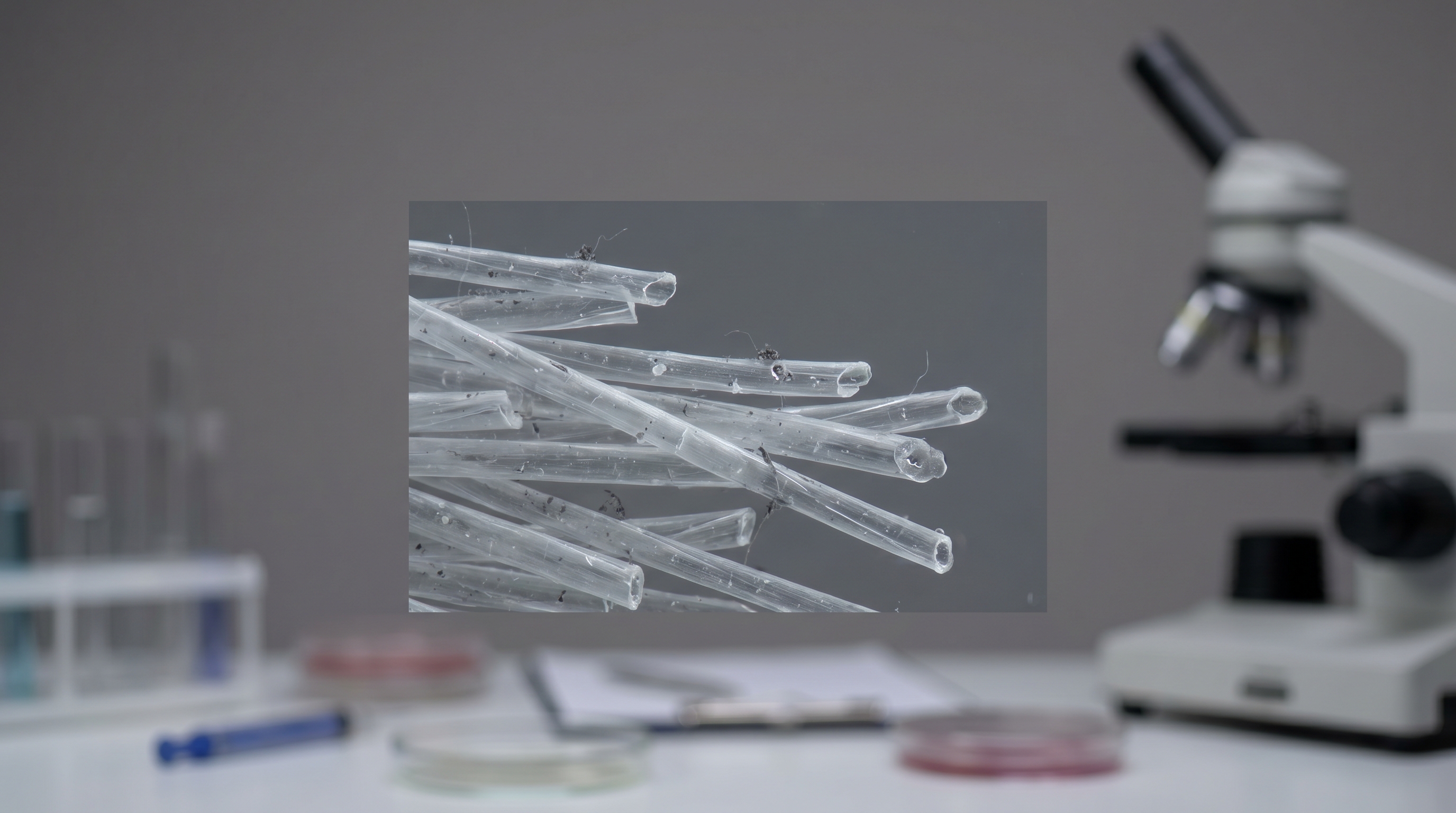
- The particles shed from recycled fabrics were nearly 20% smaller, meaning they travel farther through wastewater systems, evade filtration more effectively, and penetrate more deeply into biological systems.
- A single wash cycle can release up to 900,000 microplastic fibers.
- The average microfiber count from recycled polyester garments across all five brands was 12,430 fibers per gram, compared to 8,028 for virgin polyester garments.
Brand variation was significant. Nike's recycled polyester products averaged roughly 30,771 fibers per gram, approximately four times more than H&M and over seven times more than Zara. One Nike item shed close to 50,000 fibers per gram compared with about 1,700 from an H&M sample. This variance suggests that material and construction choices, not the brand name alone, are the primary drivers of shedding behavior.
The replication context
This is not a single-study finding. Prior peer-reviewed work from Özkan and Gündoğdu (2021) reported that recycled polyester knit fabrics released almost 2.3 times more fibers than virgin polyester, attributing the difference to the recycling process and its impact on fiber tenacity. A 2024 study in Environmental Science & Technology confirmed that fibers shed from recycled polyester were significantly shorter, consistent with reduced tensile strength and increased hairiness of the recycled yarn.
A recent study published in NCBI examined fabrics containing mechanically recycled polyester fibers subjected to multiple recycling cycles. The results: laundering tests showed no clear difference between primary PES and once-recycled PES (approximately 1.4-fold). However, fabrics with fibers recycled twice released about 4.3-fold more microplastic fibers, and those recycled three times released 6.2-fold more than virgin polyester.
The takeaway: the shedding problem compounds with each recycling cycle. The more times a polyester fiber is mechanically processed, the more fragile it becomes, and the more it sheds.
Where the popular framing is right
The carbon math is not in dispute. Virgin polyester requires extracting and processing petroleum feedstock, a process with significant embedded energy. Recycling bottles into fiber skips most of that energy cost. Per a Fashion Globe analysis, no credible study disputes that rPET produces less carbon than virgin polyester to manufacture.
If your sustainability metric is kilograms of CO2 equivalent per kilogram of yarn, recycled polyester wins. The Textile Exchange and other industry bodies have built their materials guidance around this metric, and within that frame, the guidance is accurate.
Where the popular framing is wrong, and the mechanism for why
The popular framing collapses a multi-variable environmental problem into a single-variable comparison. Carbon is measured. Microplastics are not.
The assessment tools brands rely on to evaluate material sustainability, principally the Higg Materials Sustainability Index, formally exclude microplastic pollution from their calculations. The EU's Product Environmental Footprint Category Rules for apparel and footwear similarly contain no measurement of microplastic shedding. What gets measured gets managed. What does not get measured gets ignored.
The mechanism
Recycled polyester sheds more because mechanical recycling degrades the polymer chain. The process involves melting down PET bottles, extruding them into flakes, and re-spinning them into fiber. Each thermal and mechanical stress point weakens the molecular structure.
Research indicates that recycled polyester fibers have irregularities and more deformed surfaces compared to virgin fibers. These surface defects create weak points where fibers break under the mechanical stress of laundering. The result is more fragments, and smaller fragments, entering wastewater.
Fibers with lower tenacity shed more. Acrylic, which has lower tensile strength than polyester or polyamide, consistently shows higher shedding rates in comparative studies. Recycled polyester follows the same pattern: reduced strength from the recycling process leads to reduced resistance to washing friction.
The circularity problem
There is a second structural issue. Industry data shows that 98% of recycled polyester comes from plastic bottles, not textile waste. Many brands market this as circularity, but it is not. A plastic bottle can be recycled back into a bottle indefinitely. Once it becomes a garment, it exits that closed loop permanently.
Only around 2% of recycled polyester comes from textile-to-textile systems. The rest is downcycling, taking a material from a relatively clean recycling stream (beverage containers) and converting it into a form that will shed microplastics for the remainder of its useful life and cannot be readily recycled again.
The labeling gap
The Changing Markets investigation also surfaced evidence of labeling inconsistencies. Shein's items advertised as recycled polyester in June 2025 were months later relisted simply as polyester, with no explanation. The shedding levels from those samples (3,519 fibers per gram) were similar to Shein's virgin polyester items. Similar inconsistencies appeared in samples from H&M and Nike, where garments marketed online as containing recycled polyester did not state this on their care labels.
This is not proof of fraud, but it does highlight the absence of independent verification in recycled content claims. There is no standardized testing protocol that brands must pass before using "recycled polyester" on a hang tag.
What the testing standards actually measure
Two prominent standards have emerged for quantifying microfiber shedding: AATCC TM212 and the ISO 4484 series.
AATCC TM212 measures fiber fragment release during simulated home laundering, using an accelerated washing machine to quantify the mass of shed microfibers. It is useful for benchmarking washable textiles.
ISO 4484 offers a broader approach. ISO 4484-1 focuses on material loss from fabrics during washing. ISO 4484-2, published in September 2023, provides the first official standardized global method for the qualitative and quantitative determination of microplastics from textile sources. ISO 4484-3 evaluates shedding from finished products like garments.
The Çukurova University study used ISO 4484-1:2023 protocols, providing a standardized baseline for comparison. However, fiber release was different under dry-state abrasion than in laundry tests, highlighting the limitations of wet-state focused assessments. A garment that tests well in a washing simulation may still shed significantly during wear.
What this means for a product founder
If your brand has committed to recycled polyester as a sustainability pillar, the data requires a more nuanced position.
Acknowledge the tradeoff. Recycled polyester reduces manufacturing carbon emissions. It increases microplastic shedding. Both are true. Your marketing should not claim one without acknowledging the other.
Understand that Higg MSI scores are incomplete. A low MSI score for rPET does not mean the material has a low environmental footprint. It means the score does not capture microplastic pollution. If your sustainability claims rely on MSI comparisons, you are citing a metric that excludes a significant harm category.
Fabric construction matters more than fiber source. The Changing Markets data showed significant variance between brands using the same material type. Nike's recycled polyester garments shed at four to seven times the rate of competitors. The difference is in yarn construction, weave density, finishing processes, and manufacturing quality control. You can reduce shedding through design choices even if you continue using recycled polyester.
Test your finished goods, not just your fiber inputs. Fiber-level certifications do not capture what happens during dyeing, finishing, and assembly. A fabric that tests clean at the mill may shed heavily after wet processing. ISO 4484-3 provides a protocol for testing end products.
Consider the circularity claim. If your rPET comes from bottles, not from textile waste, you are not closing a loop. You are opening a new one. The plastic-free activewear positioning, as discussed in the plastic-free activewear guide, requires moving away from synthetic fibers entirely, not substituting recycled for virgin.
Watch the regulatory trajectory. The EU is developing mandatory design requirements for unintentional microplastic release. When legislation requires shedding limits, materials that pass today's carbon-focused assessments may fail tomorrow's microplastic thresholds.
For founders building a material story around performance and proof, OHZEHN-TEX™ licenses are structured around finished-product testing, not fiber-level claims.
The data does not say recycled polyester is worse than virgin polyester in all respects. It says that measuring one impact category while ignoring another creates a false equivalence. The popular framing is incomplete. The complete picture requires holding two numbers in your head at once.
Sources
https://changingmarkets.org/press-releases/fashions-green-strategy-is-making-microplastics-pollution-worse-study/ https://changingmarkets.org/report/spinning-greenwash/ https://the-ethos.co/recycled-polyester-microplastic-shedding-study/ https://www.aa.com.tr/en/greenline/pollution/study-finds-recycled-polyester-sheds-far-more-microplastics-than-new-material/1829020 https://sustainabilityonline.net/research/recycled-polyester-creates-more-microplastic-particles-during-washing-study-suggests/ https://wwd.com/sourcing-journal/sustainability/where-the-recycled-polyester-rush-went-wrong-1238860241/ https://pubs.acs.org/doi/10.1021/acs.est.3c05955 https://www.ncbi.nlm.nih.gov/pmc/articles/PMC12825150/ https://thefashionglobe.com/recycled-polyester-microplastics https://www.just-style.com/news/eu-pef-tools-regulations-in-question-now-after-higgs-msi/ https://www.sciencedirect.com/science/article/abs/pii/S0048969723051781 https://www.euronews.com/2025/12/11/from-nike-to-hm-how-the-fashion-industrys-big-green-plan-is-worsening-microplastic-polluti https://idfl.com/2025/04/14/testing-for-microplastic-shedding-in-textiles/ https://www.aquafil.com/magazine/new-international-standard-for-measuring-microplastics/ https://news.sustainability-directory.com/fashion/global-microplastic-standard-forces-synthetic-fabric-redesign-for-cleaner-oceans/ https://ohzehn-tex.com/plastic-free-activewear/